Tuesday, 30 June 2026

Secured regulatory approval for its microbial insecticide Bacillus thuringiensis kurstaki (BTK) 10% WSL, marking a strategic push into targeted biological crop protection for pulse crops.
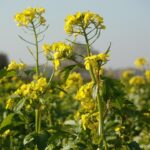
The approval from the Central Insecticides Board and Registration Committee (CIBRC) positions the company to address the persistent threat of Helicoverpa armigera in red gram (pigeon pea), a pest known for directly damaging flowers and pods and causing significant yield losses.
Unlike conventional chemical insecticides, Bacillus thuringiensis kurstaki (BTK) 10% WSL operates through a biological ingestion mechanism. Once consumed by larvae, the microbial agent releases proteins that disrupt the insect’s gut, halting feeding activity and limiting further crop damage. This targeted mode of action enables more controlled pest suppression while reducing the risk of resistance buildup and preserving beneficial insect populations.
The formulation has been developed using technology from the National Bureau of Agricultural Insect Resources, reflecting growing industry alignment with research-led biological solutions. Its water-soluble liquid (WSL) format is designed for ease of application and compatibility with existing spray practices.
The timing of the launch is significant. Farmers across key red gram-growing regions have been grappling with declining efficacy of chemical sprays, driven by resistance, rising input costs, and residue concerns. In this context, Bacillus thuringiensis kurstaki (BTK) 10% WSL offers a differentiated approach—focusing on pest-specific control while supporting more sustainable crop protection systems.
For channel partners and agri-input companies, the registration unlocks faster entry into the biologicals segment. With a CIBRC-approved formulation already in place, partners can build or expand their portfolios around a validated solution that aligns with increasing demand for residue-safe and environmentally responsible inputs.
More broadly, the development underscores a structural shift in Indian agriculture. Biologicals such as Bacillus thuringiensis kurstaki (BTK) 10% WSL are moving from peripheral use to becoming integral components of integrated pest management strategies—helping farmers balance productivity with long-term sustainability.
As the industry recalibrates toward diversified crop protection approaches, targeted microbial solutions are expected to play an increasingly central role in managing high-impact pests like pod borer while improving consistency in field performance.