Monday, 29 June 2026

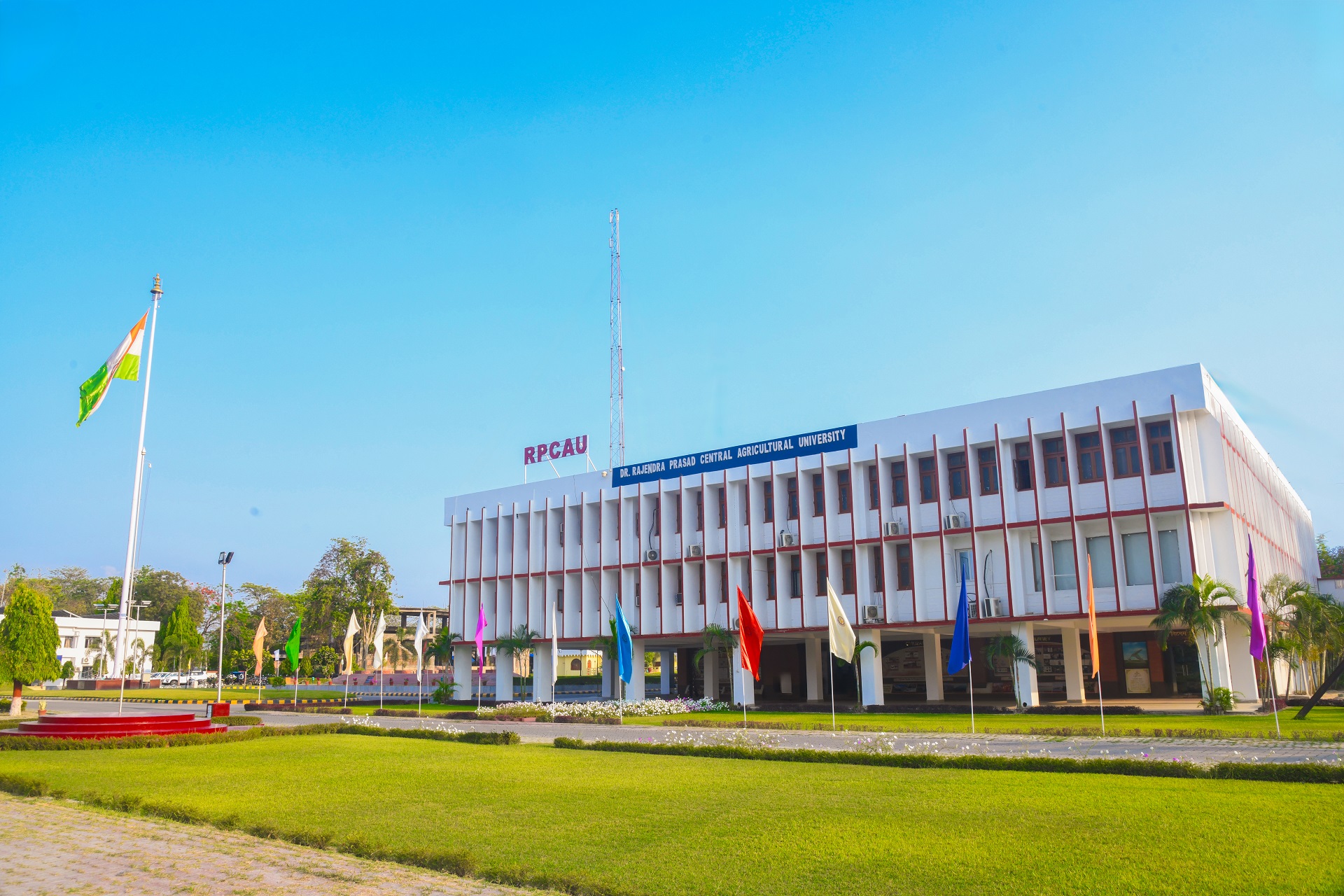
RPCAU become the first institute in India to produce a fully qualified batch of Natural Farming Professionals, and it is offering paid internships and jobs up to Rs 15,000 to all 15 students of the first batch.
In the direction of realising Prime Minister Narendra Modi’s vision of self-reliant and chemical-free agriculture ecosystem, Dr Rajendra Prasad Central Agricultural University (RPCAU), Pusa has set a new example in the country. RPCAU has conducted B.Sc., Ag. The introduction of a new and unique course of honours Natural Farming and a new national level syllabus has been meticulously designed to ensure that the young graduates coming out of this program will be fully prepared to lead the revolution of sustainable farming in India.
It is worth mentioning that this special degree program has been jointly started by Central Agricultural University Imphal, RLBCAU Jhansi and RLBCAU, Pusa. Initially, the planners were sceptical about the students whether this degree would be able to get them employment or not. But the maximum credit for the increasing opportunities for employment generation in this sector goes to our illustrious Prime Minister Narendra Modi, who in the face of changing global conditions, has repeatedly called for the promotion of natural farming in the country, as a result of which big companies are showing interest to work in this field and expert students in this field are getting employment opportunities. With the Council tailoring the syllabus to scientific and industry requirements, the University implementing the best academic schedule and giving practical field experience to the students, RPCAU has become the first institute in India to produce a fully qualified batch of Natural Farming Professionals.
In the program organised during the “Save the Khet Abhiyan” on 16th June, all the 15 students enrolled of 2023 to 2027 batch were handed over the offer letter for paid internship and placement up to Rs. 15,000 per month by the Union Minister of State for Agriculture and Farmers Welfare, Ram Nath Thakur ji. The offer was made by various reputed institutions related to agriculture, green NG and rural development. The official of the corporate body that gave the placement said that they were very impressed with the skills of the students. The preparation of these students is perfect according to the future needs of the industries in natural farming, green energy, organic farming and related sectors.
The selected students will work on projects related to Gobardhan initiative, Waste to Energy System, natural farming models and rural sustainable development programs. The main objective of these projects is to increase awareness among farmers about chemical-free farming, conservation of natural resources and sustainable farming models. Students will also get an opportunity to master the marketing and commercialisation of products. This will enable natural products to reach domestic and foreign markets and promote international trade and entrepreneurship.
After successfully completing their paid internship and academic requirements, these students will also have permanent job opportunities in the respective institutions. Given the huge demand for natural farming expertise, there is a lot of enthusiasm for this course in the corporate world. Many large firms, including green energy companies, have offered permanent jobs after graduation with internships to the entire batch. Inspired by the clarion call of Prime Minister Modi these youngsters are choosing to dedicate their careers to bringing about a change at the grassroots level in India’s agriculture sector. Minister Ram Nath Thakur said that with this thinking, agro-based enterprises will increase in the villages and the dream of Atmanirbhar Bharat will be realised.
A large number of scientists, farmers, students and industry representatives were present in the programme. The event organised by KVK Birouli gave the message that with the right syllabus, field-based training and industry collaboration, agricultural education can be made employable. This initiative of Pusa is now being considered as a model for other agricultural universities in the country.