Monday, 29 June 2026

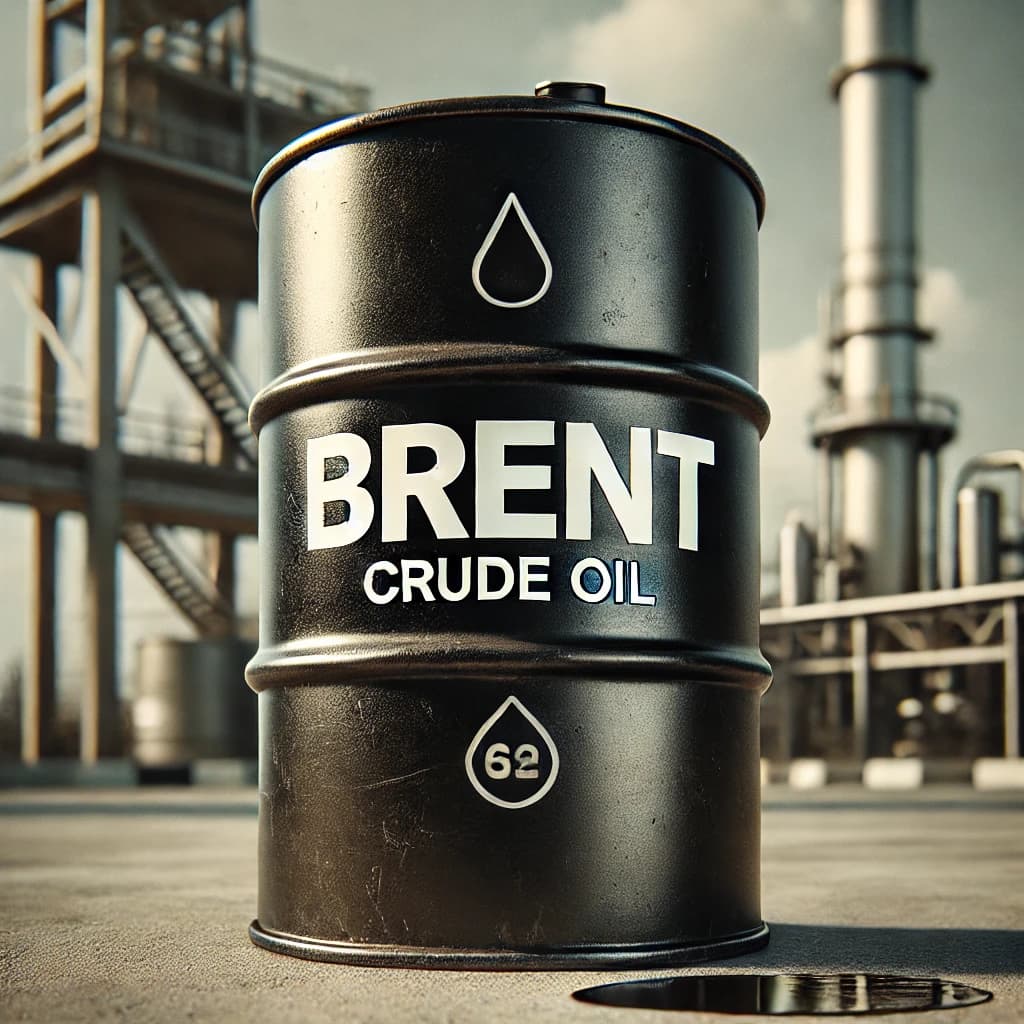
Market eyes Doha talks as key to easing Strait of Hormuz uncertainty and future price direction
In June 2026, global oil markets witnessed a modest recovery as Brent crude oil prices climbed above $72 per barrel on Monday, marking a bounce back from four-month lows. This recovery was driven primarily by renewed geopolitical tensions between the United States and Iran centered around the Strait of Hormuz, a vital maritime chokepoint for global oil shipments, according to Trading Economics. The two nations engaged in a series of tit-for-tat attacks beginning on Thursday when Iran targeted a container ship, prompting retaliatory strikes by the US the following day. The conflict escalated further on Saturday after Tehran struck a vessel carrying Qatari oil. Despite these confrontations, both sides agreed to halt further attacks ahead of peace talks scheduled for later this week, offering tentative hope for de-escalation.
The upcoming diplomatic engagement, with US and Iranian officials set to meet in Doha on Tuesday to discuss the Strait of Hormuz and related issues, has contributed to cautious optimism in the oil markets. Although shipping activity through the Strait has increased since an interim peace agreement was reached, many shipowners remain wary, as hundreds of vessels are still stranded in the Persian Gulf. This juxtaposition of heightened geopolitical risks and improving shipping flows has created a complex backdrop for oil prices.
Brent crude is currently trading at approximately 2.48 over West Texas Intermediate (WTI) Crude Oil, which is priced near 57.40 per barrel, reflecting its usual discount to global benchmarks and the additional impact of regional factors such as sanctions and logistics constraints.
Over the past month, both Brent and Crude Oil have experienced steep declines, falling roughly 24 per cent from highs in the mid-90s to their current levels in the low 70s and high 60s, respectively. Specifically, Brent’s price decreased from 72.45, and Crude Oil fell from 69.94. This broad-based selloff reflects a compression of geopolitical risk premiums alongside growing optimism over diplomatic progress and improved shipping conditions through the Hormuz Strait. Urals Oil has been under additional downward pressure, hitting a three-month low due to expectations that Iranian oil supply could increase if US-Iran negotiations yield a positive outcome. Urals Oil’s price movements are more sensitive to geopolitical sanctions, shipping disruptions, and regional demand fluctuations, which often result in wider discounts relative to Brent and WTI.
The recent price movements in Brent crude are chiefly influenced by heightened geopolitical tensions linked to the Strait of Hormuz. US-Iran hostilities have injected volatility into the oil markets, causing short-term price spikes. However, the broader monthly trend remains bearish, signaling a reduction in the risk premium as peace talks approach and shipping flows improve. Crude Oil prices have followed a similar trajectory but have also been affected by US domestic crude flow dynamics and broad market selloffs. This resulted in a sharp weekly decline exceeding 10%, followed by a modest recovery.
Urals Oil, while generally tracking global benchmark trends, remains more discount-sensitive due to its export profile and exposure to Western sanctions. The market currently factors in the possibility of increased Iranian supply, which has exerted downward pressure on Urals prices beyond that seen in Brent and WTI.
Despite the renewed flare-ups in the Persian Gulf, shipping activity through the Strait of Hormuz has increased since the interim peace accord, although significant logistical challenges persist. Hundreds of vessels remain stranded in the region, underscoring ongoing risks to supply chain stability.
In summary, Brent crude is currently trading above 2.48 higher than WTI Crude Oil, reflecting a heightened geopolitical risk premium. Both Brent and Crude Oil benchmarks have suffered significant monthly declines of nearly 24 per cent, driven by fluctuating supply risk perceptions and broad market selling pressures. Urals Oil trades at a substantial discount near $57.40 per barrel, affected by regional supply expectations and sanctions. The Strait of Hormuz remains a focal point of uncertainty, with renewed US-Iran tensions counterbalanced by upcoming peace negotiations and improving shipping flows.
Looking forward, market participants will closely monitor the outcomes of the Doha talks between US and Iranian officials. These discussions carry the potential to reshape supply expectations and ease price volatility. The oil market’s near-term trajectory will depend heavily on the balance between geopolitical tensions and diplomatic progress.
— Suchetana Choudhury (suchetana.choudhuri@agrospectrumindia.com)