Saturday, 27 June 2026

Pulses and oilseeds drive growth even as overall acreage sees a marginal dip compared to last year
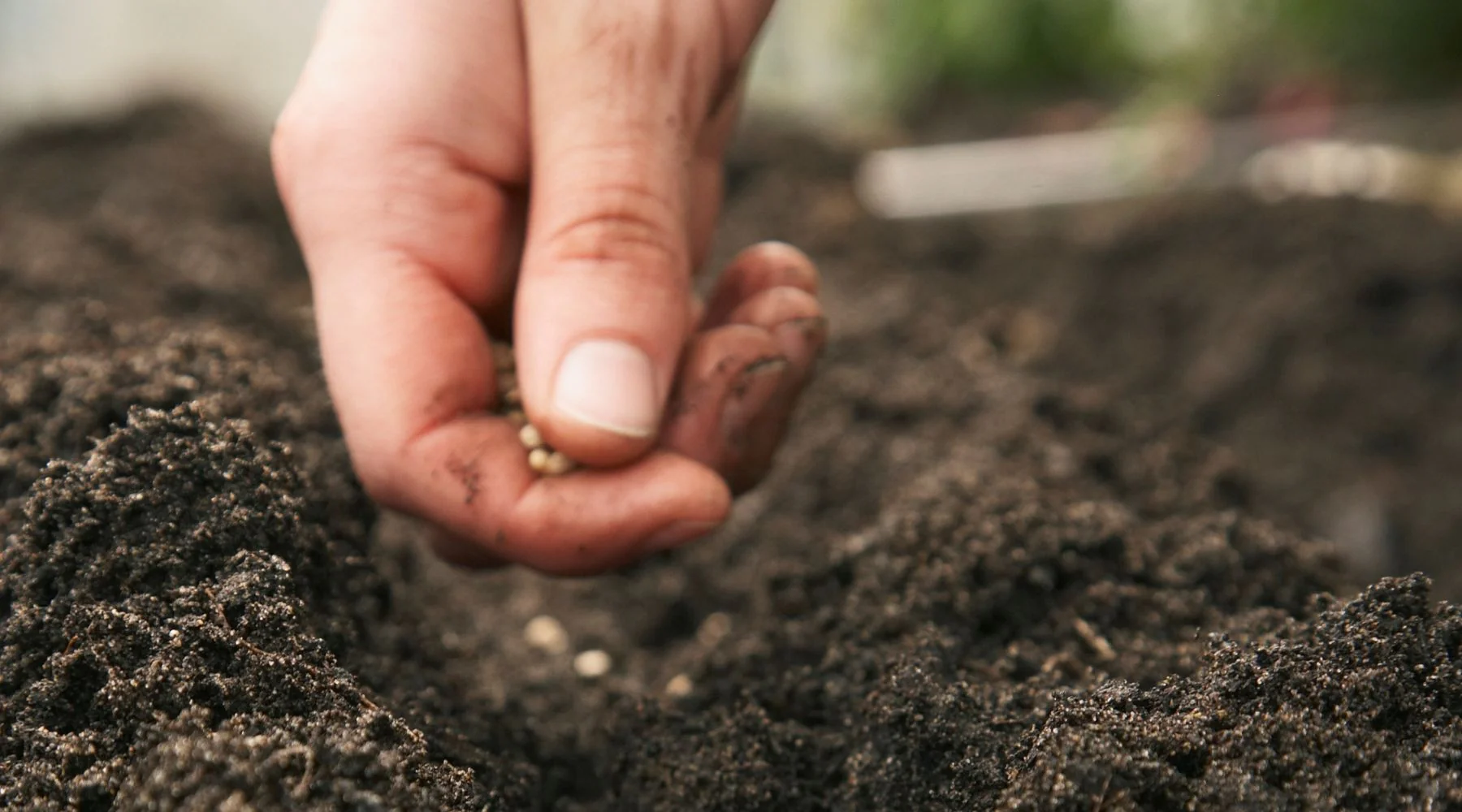
India’s summer crop sowing for 2026 is progressing steadily, reflecting a mixed but largely resilient agricultural landscape. As per the latest data up to April 17, 2026, total area coverage has reached 66.14 lakh hectares, compared to 69.06 lakh hectares during the same period last year.
While the overall sowing area shows a marginal decline of 2.92 lakh hectares, several crop segments demonstrate encouraging trends driven by favorable conditions and farmer preferences.
Rice continues to dominate the summer crop basket with 30.64 lakh hectares sown so far. Although slightly lower than last year’s 32.31 lakh hectares, the crop remains close to its normal levels, underscoring its central role in India’s food security.
Pulses coverage stands at 15.47 lakh hectares, compared to 13.49 lakh hectares in the corresponding period last year, reflecting an increase of nearly 1.99 lakh hectares. Within this category, greengram leads with 11.73 lakh hectares, followed by blackgram at 3.45 lakh hectares, both showing notable gains over last year. Other pulses have also recorded modest expansion.
The “Shree Anna” or coarse cereals segment reports 13.81 lakh hectares, slightly above last year’s levels. Maize continues to anchor this category with 8.46 lakh hectares, while bajra and jowar maintain relatively stable coverage, indicating consistent demand and cultivation patterns.
Oilseeds area stands at 9.14 lakh hectares, compared to 7.65 lakh hectares in the same period last year, marking an increase of 1.49 lakh hectares. Groundnut emerges as a standout performer with 5.51 lakh hectares, while sunflower and sesamum also maintain steady progress.
Overall, despite a slight dip in total sown area, the growth in pulses and oilseeds indicates a gradual diversification in cropping patterns. The data suggests farmers are balancing staple food production with high-value and protein-rich crops. Agricultural experts note that weather patterns and market signals in the coming weeks will be critical in shaping final sowing outcomes for the season.