Tuesday, 9 June 2026

Rs 3,447 crore first tranche targets 70 lakh farmers to support timely input access
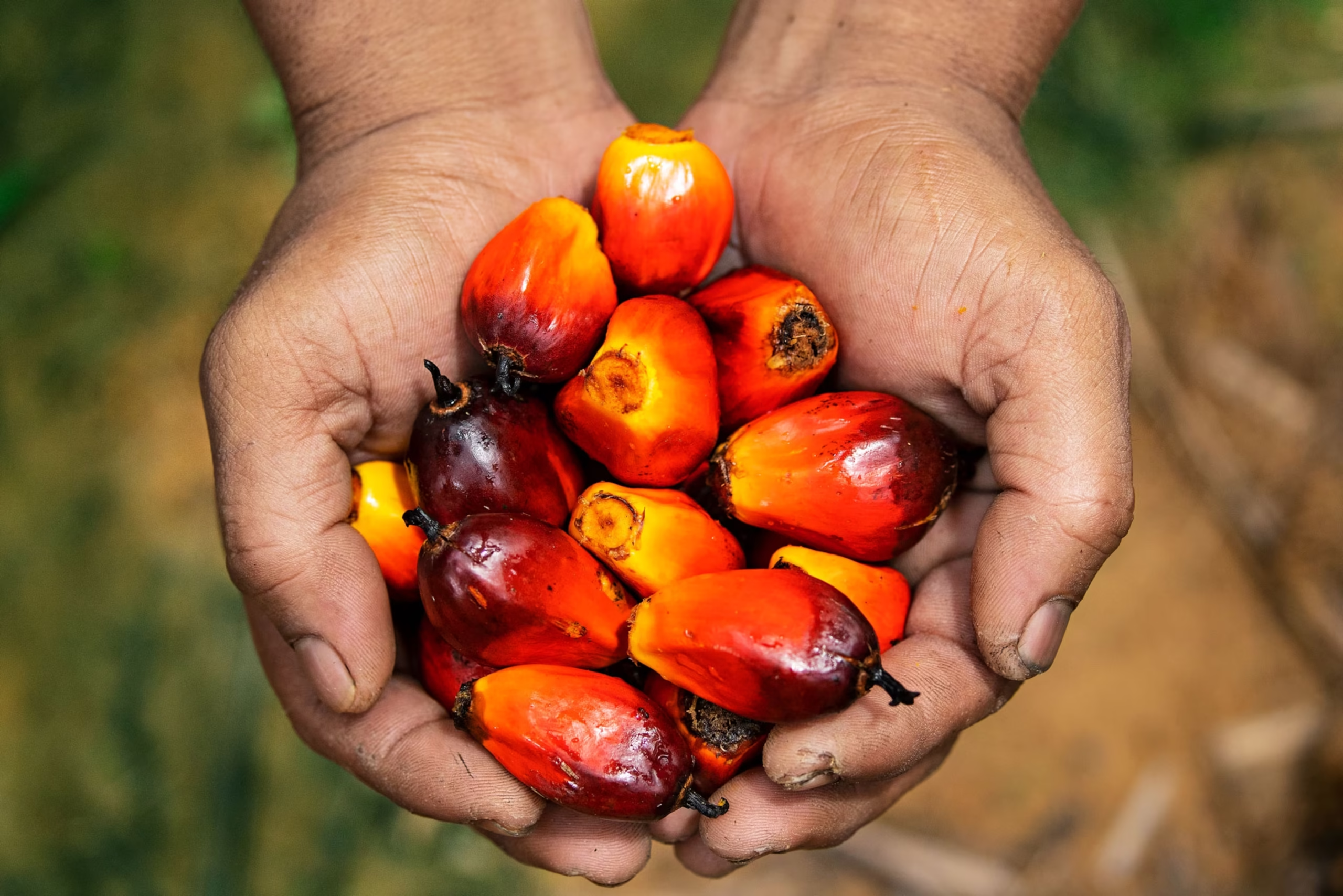
The Government of Telangana has strengthened its agricultural infrastructure and farmer support ecosystem with the inauguration of a Rs 300 crore palm oil processing facility in Narmetta, Siddhipet district, alongside the rollout of the first tranche of Rs 3,447 crore under the Rythu Bharosa scheme ahead of the kharif season.
The newly operational plant is designed to process 30 tonnes of fresh oil palm fruit bunches per hour, reinforcing the state’s strategic focus on scaling oil palm cultivation, which has already crossed three lakh acres and is targeted for significant expansion. The initiative aligns with broader efforts to reduce import dependence on edible oils while enhancing farmer incomes through assured procurement mechanisms.
In parallel, the government has initiated direct financial support to nearly 70 lakh farmers through phased disbursement of Rythu Bharosa funds over a 45-day period, aimed at enabling timely access to agricultural inputs and improving seasonal preparedness.
The announcement is part of a wider development push that includes new infrastructure projects worth Rs 775.72 crore in Siddhipet district, spanning drinking water systems, underground drainage, and the foundation for a palm oil refinery, signaling a coordinated approach to rural and agri-led growth.
With paddy production reaching 71 lakh tonnes and procurement challenges emerging, the state is also intensifying its focus on crop diversification and sustainable agricultural practices, positioning oil palm and other alternative crops as key components of a more resilient and market-aligned farming ecosystem.