Thursday, 25 June 2026

Precision drip irrigation initiative across Bengaluru and Hyderabad aims to improve water efficiency, support farmers, and strengthen urban water security
Orbia Advance Corporation’s S.A.B. de C.V. (BMV: ORBIA*) Precision Agriculture business Netafim, the global leader in precision agriculture solutions, announced two major water stewardship initiatives with Amazon India that will save approximately 175 million liters of water annually across Bengaluru’s western agricultural belt and 150 million liters across the northern Hyderabad agricultural belt – a combined total of approximately 325 million liters annually.
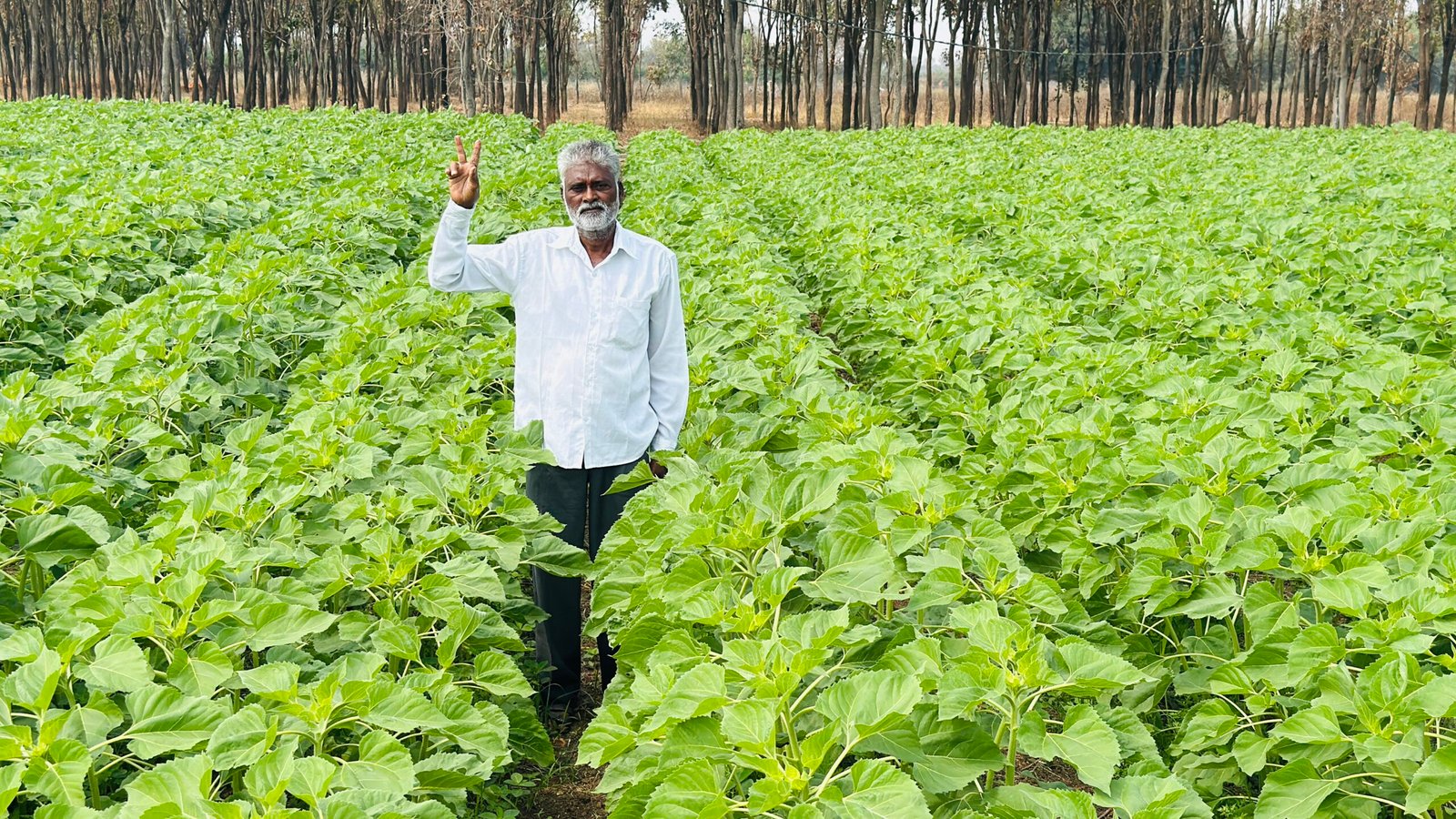
In Bengaluru, the project will convert traditional flood irrigation systems into advanced drip irrigation across 80 hectares of gourd and tomato farms, benefiting around 70 independent farmers. In Hyderabad, the project will convert 40 hectares of maize and vegetable farms to benefiting around 40 independent farmers. By dramatically improving irrigation efficiency, the initiative supports Amazon’s commitment to become water positive in India by 2027, returning more water to communities than it uses in its direct operations.
With growing water insecurity across Bengaluru and Hyderabad, as well as the wider Karnataka and Telangana regions, converting farms to drip irrigation will significantly reduce water consumption while maintaining agricultural productivity – a move that directly supports both farmer livelihoods and downstream urban water security.
Bengaluru farmers participating in this initiative currently draw water from sources connected to the TG Halli Reservoir, which also supplies water to areas of west and north Bengaluru, including urban neighborhoods, commercial districts, and Amazon facilities. In Hyderabad, participating farmers draw water from sources connected to the Kondapochamma Sagar reservoir, a major balancing reservoir part of Hyderabad’s Kaleshwaram Lift Irrigation Scheme.
Abhinav Singh, Vice President of Operations, Amazon India and Australia, said: “This initiative focuses on practical solutions that make a measurable difference on the ground, helping farmers improve the efficiency of their irrigation systems while contributing to water security in water-stressed regions. We’re committed to such collaborations as part of effort to support responsible water use in India”.
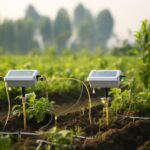
Under the project, farms transitioning from flood to drip irrigation are expected to significantly reduce water consumption while maintaining crop productivity and stabilizing yields. Unlike traditional flood irrigation, drip irrigation delivers water directly to plant roots in measured quantities, minimizing evaporation, runoff, and overuse – critical advantages in regions facing erratic rainfall patterns and groundwater depletion.
“We are proud to collaborate with Amazon on this important initiative, which demonstrates how precision irrigation can deliver real impact for farmers and communities alike,” said Max Moldavsky, Director of Innovation and Climate Solutions, Orbia Netafim. “By helping farmers transition to drip irrigation, we are improving water efficiency, strengthening livelihoods, and contributing to broader water security efforts. This project reflects Orbia Netafim’s long-standing global commitment to water stewardship and climate-resilient agriculture.”
This project is the first collaboration between Amazon India and Orbia Netafim to address water challenges in India’s rapidly growing cities.
Water stewardship is central to Orbia Netafim’s global sustainability efforts. In India and worldwide, Orbia Netafim has supported large-scale irrigation modernization initiatives that improve water efficiency, enhance farmer income stability, and strengthen climate resilience. Building on landmark community irrigation projects in Karnataka, including the Ramthal Community Irrigation Project, Orbia Netafim continues to advance measurable, basin-level solutions that deliver environmental and economic value. This collaboration represents a scalable model for addressing water challenges in stressed regions through practical, results-driven partnerships.