Saturday, 13 June 2026

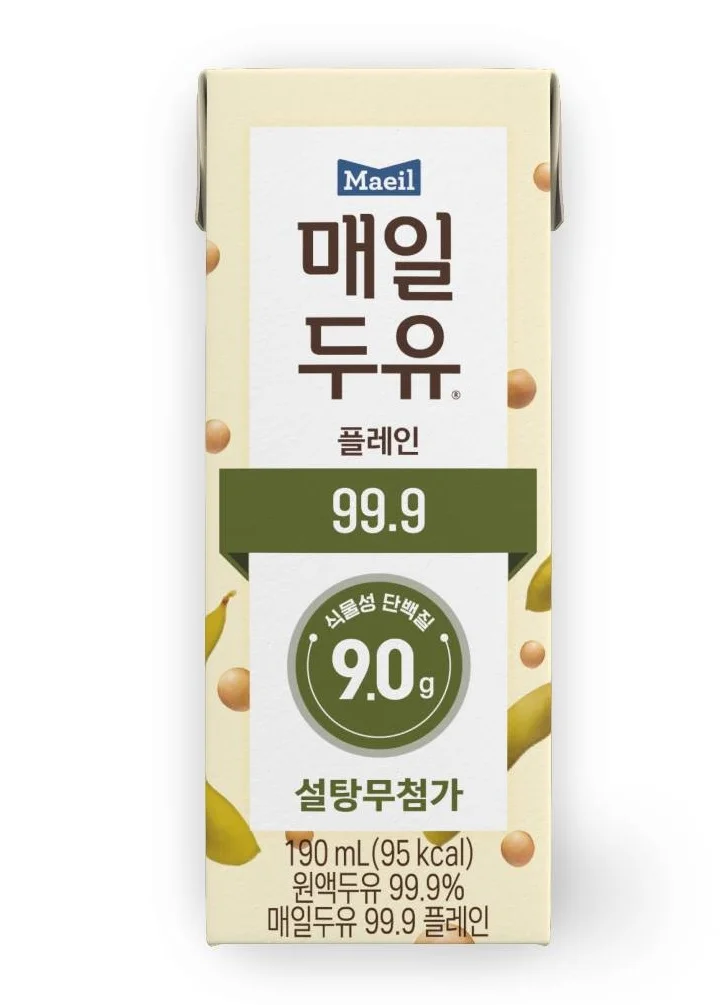
Maeil Dairies becomes first producer globally to deploy aluminium-free aseptic packaging on A3/Speed lines
Tetra Pak has expanded its paper-based barrier packaging technology to high-speed industrial filling lines in Asia, marking a significant step in its push to scale low-carbon, renewable packaging solutions across global food and beverage supply chains.
The company announced that South Korea’s Maeil Dairies has become the first producer worldwide to implement the new aluminium-free packaging material on a Tetra Pak A3/Speed filling machine for its Maeil Soy Milk 99.9 product. The move signals that the paper-based barrier technology is now commercially viable at high production speeds, addressing one of the industry’s key scalability challenges.
Developed to replace the thin aluminium foil layer traditionally used in aseptic cartons, the new paper-based barrier maintains comparable food protection and shelf-life performance. When combined with plant-based polymers derived from sugarcane, the Tetra Brik Aseptic 200 Slim carton used for the Maeil product achieves 87 per cent renewable content and delivers a 26 per cent reduction in carbon footprint compared with conventional packaging, according to verification by the Carbon Trust.
The launch represents a milestone not only in material innovation but also in operational compatibility. The Tetra Pak A3/Speed line is capable of producing up to 24,000 packages per hour, making it one of the company’s highest-output systems. Demonstrating compatibility with this platform confirms that the paper-based barrier can operate at industrial scale without compromising efficiency, cost competitiveness or food safety standards.
Importantly for beverage producers, existing A3/Speed lines can be upgraded with a high-frequency induction-heating sealing system, enabling adoption of the new packaging material without significant capital expenditure. This retrofit capability is expected to accelerate uptake among manufacturers seeking to lower packaging emissions while maintaining throughput.
Tatiana Liceti, Executive Vice President, Packaging Solutions at Tetra Pak, said, “Scaling sustainable packaging solutions should go hand in hand with operational efficiency. By bringing our paper-based barrier to high-performing Tetra Pak A3/Speed packaging lines, we are offering beverage producers an opportunity to adopt low-carbon packaging solutions based on renewable materials while maintaining food protection and cost-competitiveness.”
The Maeil Soy Milk 99.9 rollout also marks the first application of Tetra Pak’s paper-based barrier in the plant-based beverage category, a segment experiencing rapid global growth amid rising consumer demand for sustainable alternatives.
Inki Lee, Chief Operating Officer of Maeil Dairies, said the transition aligns with the company’s broader innovation strategy. “Maeil Dairies has pioneered the domestic low-sugar soy milk segment, establishing a leading position in the market. Introducing new packaging on our Soy Milk 99.9 line reflects our ongoing commitment to innovation and environmental responsibility. Our collaboration with Tetra Pak enables us to drive meaningful, forward-looking change that will benefit consumers and future generations alike.”
The development underscores a broader shift within the global food and beverage industry, where producers are accelerating efforts to replace fossil-based and carbon-intensive materials with renewable alternatives. By demonstrating that aluminium-free aseptic cartons can perform at high speed and scale, Tetra Pak is positioning paper-based barrier technology as a viable pathway toward lower-emission packaging systems in mass-market applications.