Wednesday, 3 June 2026

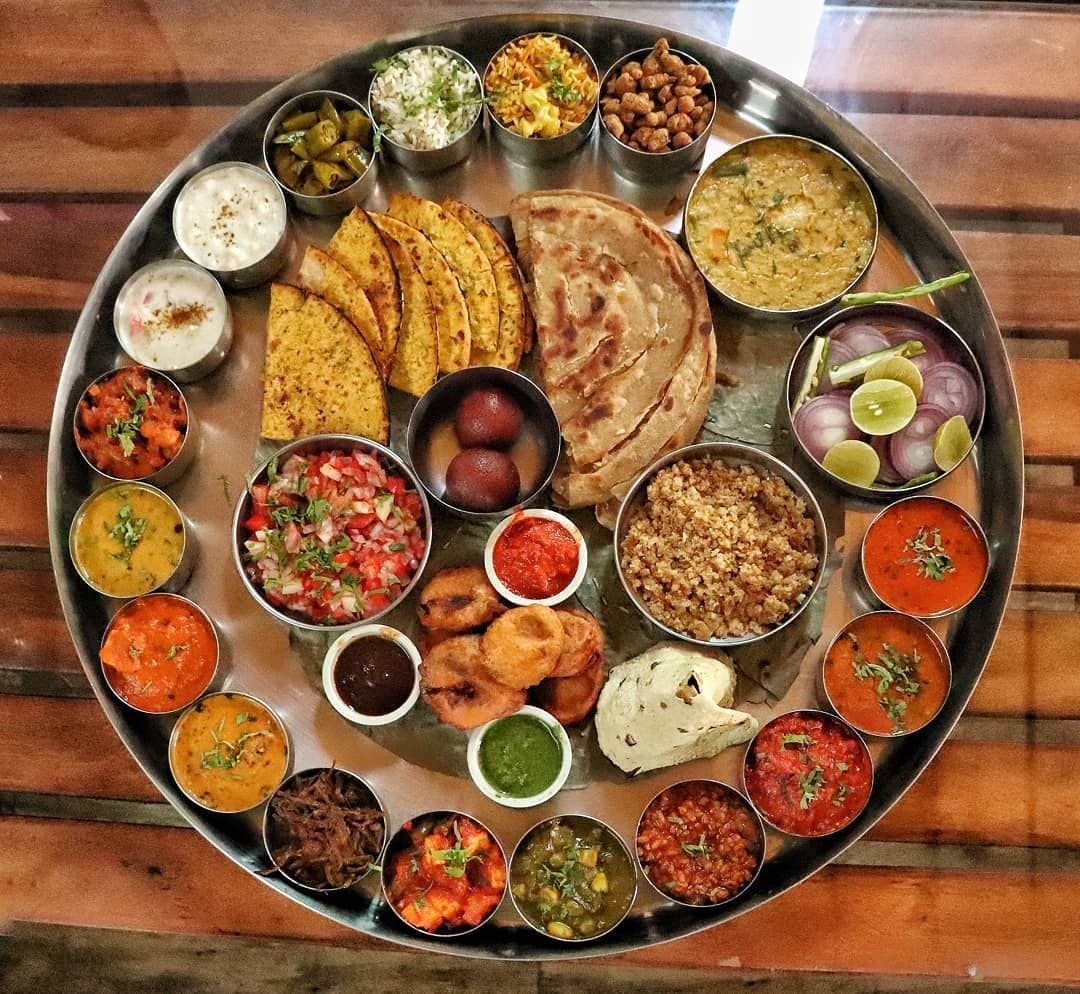
Vegetarian thali down 1 per cent on-year; non-vegetarian thali drops 7 per cent amid lower broiler and pulse prices
The average cost of preparing a home-cooked thali declined in January, offering modest relief to household budgets as key commodity prices remained largely benign, according to Crisil Intelligence.
The cost of a vegetarian thali fell 1 per cent on-year, while the non-vegetarian variant recorded a sharper 7 per cent decline compared with January last year. The calculation is based on input prices prevailing across north, south, east and west India, and reflects the monthly impact on household expenditure. The index factors in cereals, pulses, broilers, vegetables, spices, edible oil and cooking gas.
The decline in the vegetarian thali was driven primarily by a sharp correction in onion, potato and pulse prices. Onion prices fell 27 per cent on-year due to higher stock availability and subdued exports. Potato prices declined 23 per cent on-year, largely on account of a high base after lower yields had pushed up prices in the previous season. Pulse prices softened 14 per cent following improved stock positions this fiscal, aided by a surge in imports. Bengal gram imports rose nine-fold in fiscal 2025, yellow pea imports increased 85 per cent, and black gram imports climbed 31 per cent, supported by relaxed import policies that remain in place until March 2026 despite minor duties.
However, elevated tomato prices limited the overall decline in vegetarian thali costs. Lower arrivals — down 39 per cent in January — pushed tomato prices up 50 per cent on a low base to Rs 46 per kg in January 2026, compared with Rs 31 per kg in January 2025.
Meanwhile, vegetable oil prices rose 4 per cent on-year due to tighter global soybean oil supplies, leading to firmer domestic edible oil prices. Additionally, a 6 per cent on-year increase in liquefied petroleum gas (LPG) cylinder prices capped the overall reduction in thali costs.
The non-vegetarian thali saw a sharper 7 per cent on-year fall, primarily due to an estimated 13 per cent decline in broiler prices, which account for roughly half the cost of a non-vegetarian meal. The fall was largely attributable to a high base last year. Lower onion, potato and pulse prices also contributed to the easing.
On a sequential basis, both vegetarian and non-vegetarian thalis recorded further declines in January, falling 2 per cent and 3 per cent, respectively. Tomato and potato prices dipped 8 per cent and 22 per cent on-month, supporting the decline. However, wheat flour prices rose 5 per cent amid speculation over a potential relaxation of export restrictions, partially offsetting the benefit. The cost of a non-vegetarian thali also eased on account of an estimated 4 per cent month-on-month fall in broiler prices.

Pushan Sharma, Director, Crisil Intelligence, said, “In January, the cost of vegetarian and non-vegetarian thalis declined by 1 per cent and 7 per cent, respectively, on-year, supported by benign commodity prices. While the cost of the vegetarian thali decreased because of a sharp fall in onion, potato and pulse prices, elevated tomato prices limited the overall decline. Prices of onions and pulses softened due to higher stock levels, while potato prices fell on account of a high base. In contrast, tomato prices increased due to a low base from last year.
“In the medium term, onion prices are expected to remain stable to slightly firm until fresh rabi supplies arrive around March. With the onset of fresh rabi arrivals, prices of both potato and tomato are likely to remain capped. Prices of pulses are expected to stay under pressure owing to healthy imports of yellow peas at prices nearly 35 per cent lower than domestic levels. Consequently, landed prices remain competitive even after a 30 per cent import duty.”
While the easing offers short-term relief to households, the trajectory of vegetable arrivals, global edible oil trends and policy decisions on exports will remain key variables influencing kitchen economics in the coming months.